
You sense it. It’s real. Science confirms it.
Your eyes need the best protection.
Why Reticare
The world reference in protecting your eyes from screen light.
Reticare was born in 2002 in a laboratory at the Complutense University of Madrid, with one question: what does screen light do to your eyes. More than 20 years later, we protect the eyes of people all over the world.

- 20+years of scientific research
- 600,000people use Reticare technology
- 40+countries with Reticare customers
- 99.5%satisfied customers
 Validated in vivo and in vitroMore than 20 patent families2 Nobel laureates as advisors
Why we exist
Science applied to protecting your eyes.
- Preventive protection, not aesthetics.
Every product is designed with biomedical criteria validated in vivo and in vitro. Form follows function, never the other way round.
- Science before marketing.
Everything comes from Dr. Celia Sánchez-Ramos’s research at the Complutense University of Madrid. More than 20 years of evidence, not trends.
- For everyone, from day one.
From children to anyone who spends the whole day in front of a screen. More than 600,000 people in more than 40 countries.
Up close.
Five details you only notice once you wear them.

- 1Only the harmful bandsFilters the blue (380-500 nm) and green (500-590 nm) light from your screens. Colours stay true.
- 220 years of scienceBorn from Dr. Celia Sánchez-Ramos's research at the Complutense University of Madrid.
- 3Essential or ProEssential, almost clear, for everyday use. Pro, for more than 6 hours a day in front of screens.
- 4Prescription tooThe same frame and the same lens, made to your prescription.
- 528 gramsTranslucent acetate, light enough to wear all day. In clear or grey.
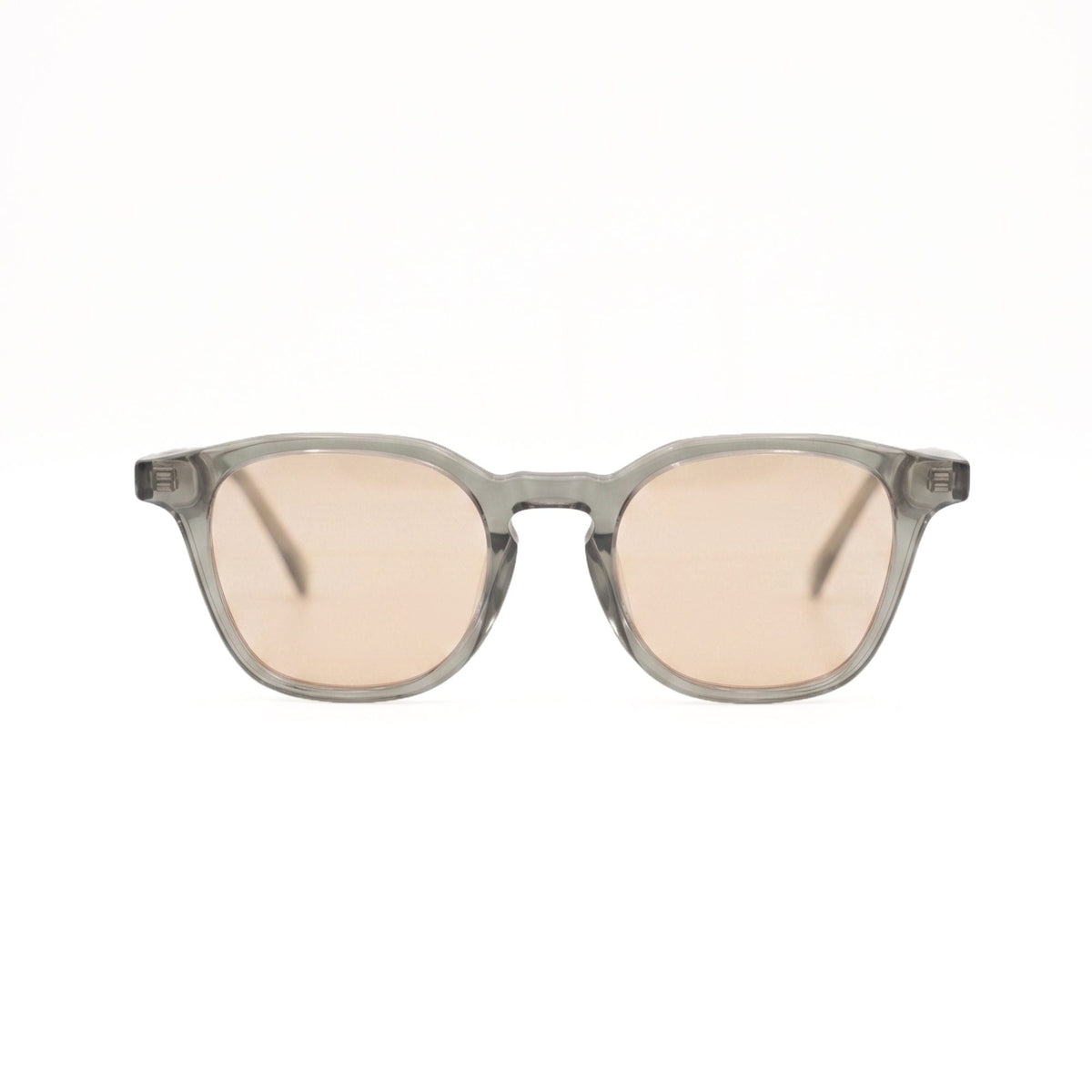
Only the harmful bands. Filters the blue (380-500 nm) and green (500-590 nm) light from your screens. Colours stay true.
-
20 years of science. Born from Dr. Celia Sánchez-Ramos's research at the Complutense University of Madrid.

Essential or Pro. Essential, almost clear, for everyday use. Pro, for more than 6 hours a day in front of screens.
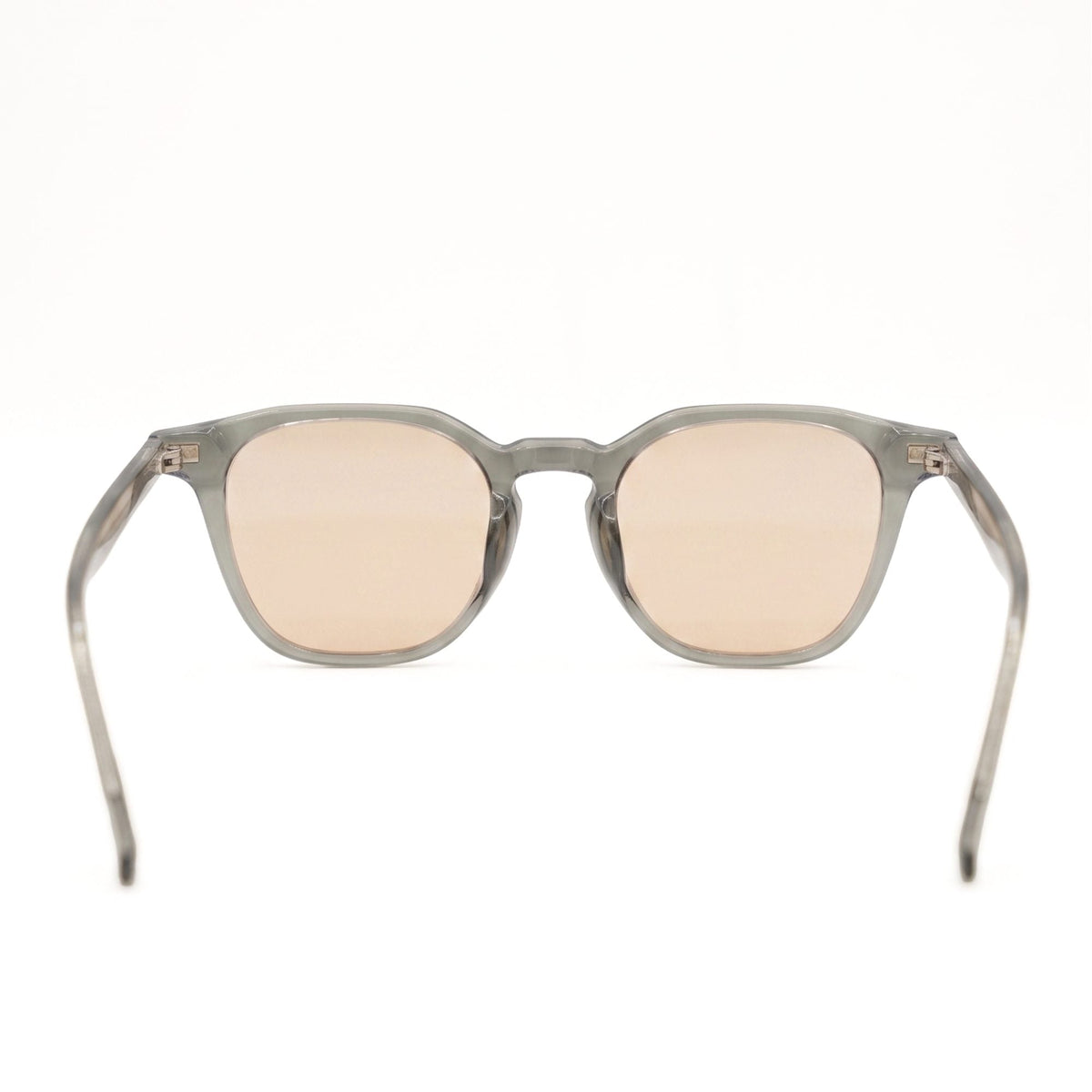
Prescription too. The same frame and the same lens, made to your prescription.
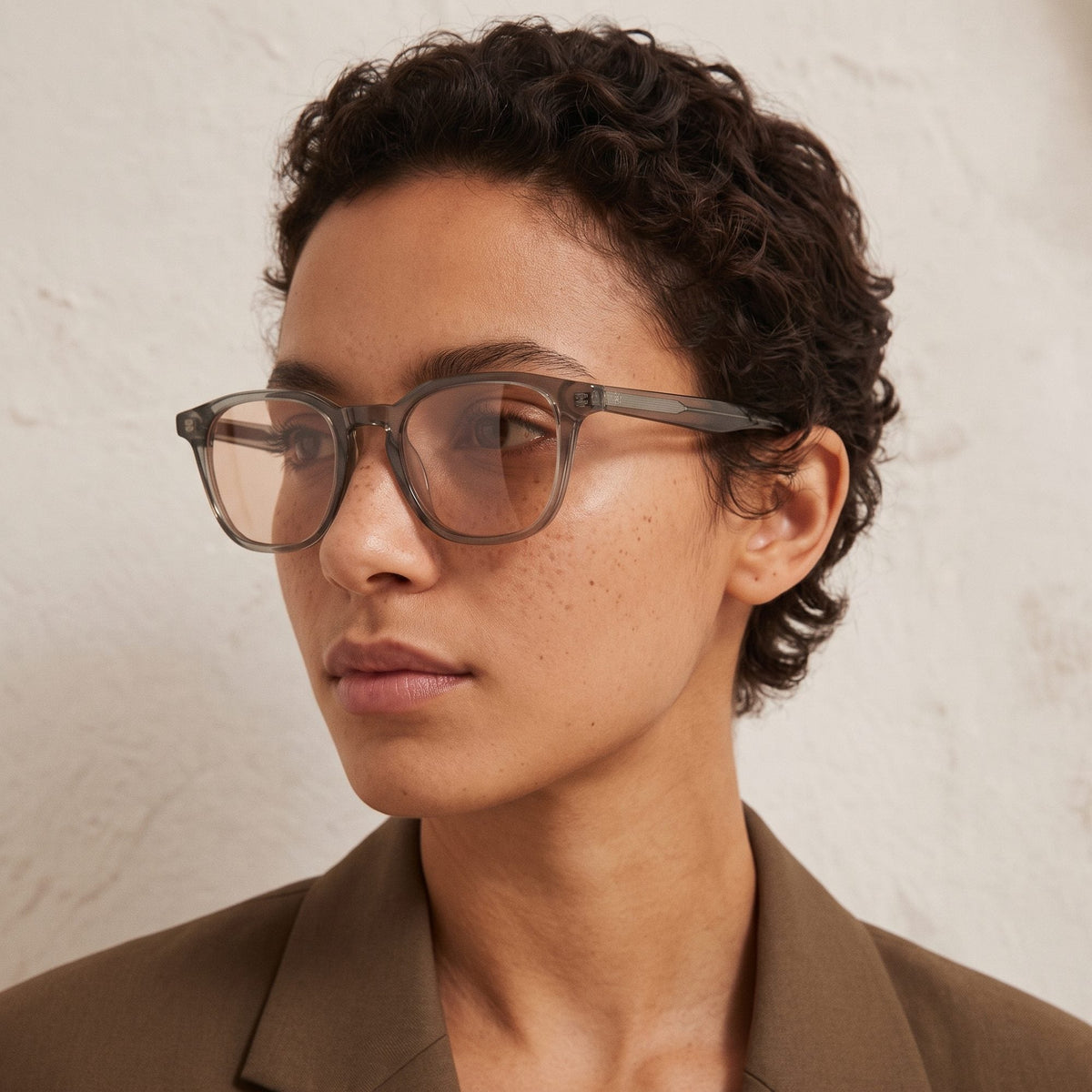
28 grams. Translucent acetate, light enough to wear all day. In clear or grey.
Light, precise and backed by science.
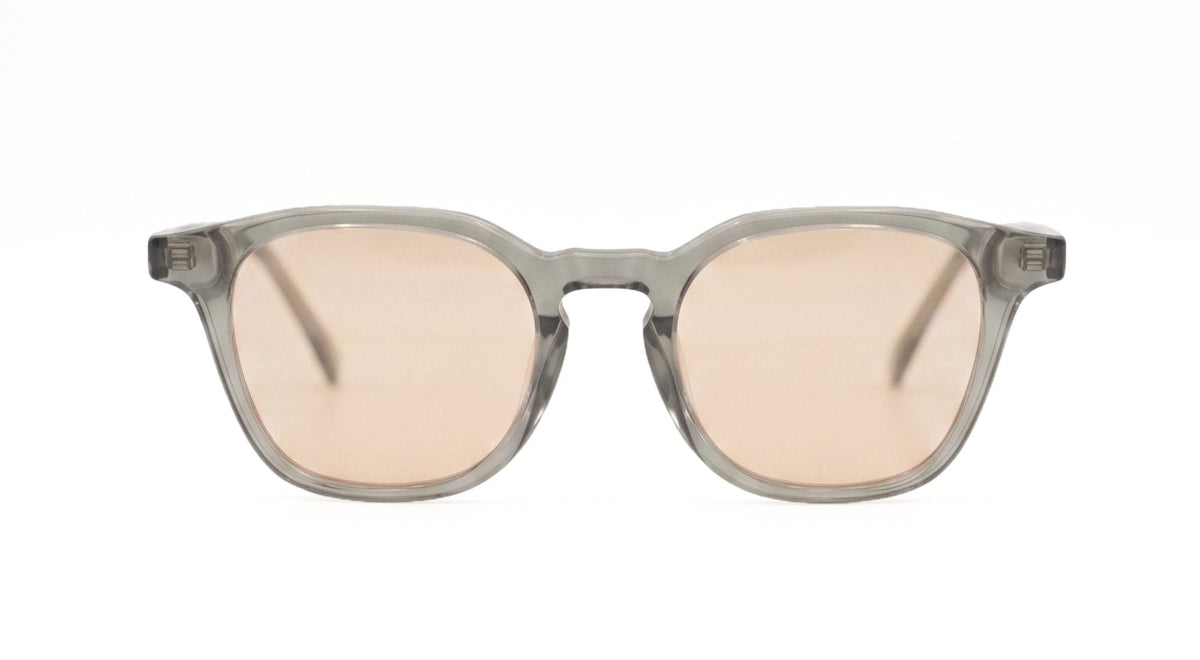
- Only the harmful bands. Filters the blue (380-500 nm) and green (500-590 nm) light from your screens. Colours stay true.
- 20 years of science. Born from Dr. Celia Sánchez-Ramos's research at the Complutense University of Madrid.
- Essential or Pro. Essential, almost clear, for everyday use. Pro, for more than 6 hours a day in front of screens.
- Prescription too. The same frame and the same lens, made to your prescription.
- 28 grams. Translucent acetate, light enough to wear all day. In clear or grey.
Choose your frame
28 g translucent acetate, in clear or grey. Essential or Pro.
Non-prescription
For people with good eyesight who want to protect their eyes from screens.
From $336
Reading
With the magnification you need to read up close. After your order we will ask for your strength.
From $422
With your prescription
Your own prescription with the Reticare lens. Made to order in 15-20 working days.
From $696
Two ways to protect your eyes.
In front of your eyes, whatever screen you are using. Or on the screen itself, for everyone who looks at it.

Balance
They filter high-energy blue and green light from any screen. Non-prescription, reading or prescription.
Reticare protectors
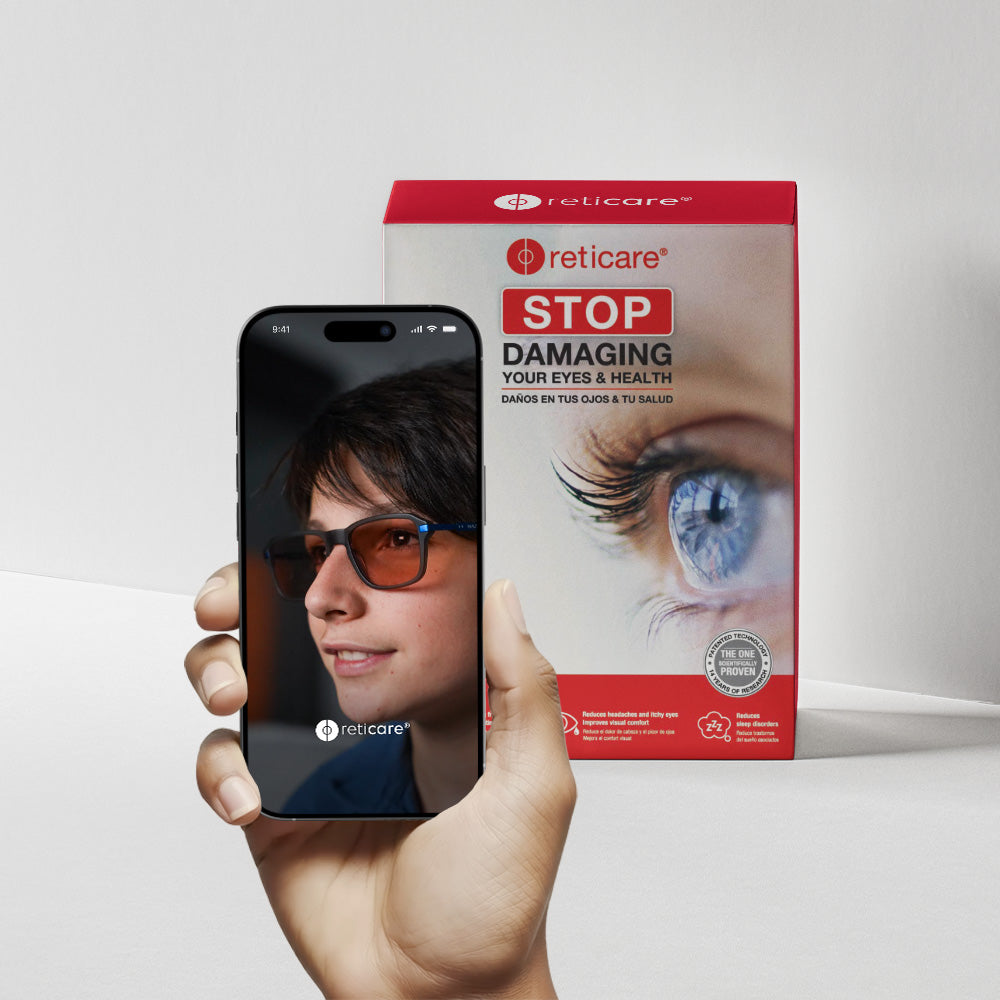
For your phone, tablet, laptop, monitor or TV. They filter light at the source, for the whole family.
- Free shipping
- 14-day free returns
- Made in Spain
- Secure payment by card or PayPal
The science
Twenty years of science before the first frame.
Since 2002, Dr. Celia Sánchez-Ramos and her team at the Complutense University of Madrid have studied how light affects the retina. These are the experiments, one by one.
“We have created the best glasses there are to protect against screen light.”

- 2002–2003
First experimental studies on the retina
Animal model: rats · one yearProlonged exposure to white light, blue light and white light without blue, with and without selective filters.
Finding: significant retinal damage in eyes exposed without protection to radiation around 450 nm.
- 2003–2005
How cells respond
Animal model: rabbits · two years12 h / 12 h light and dark cycles with white and blue light, and intraocular lenses with and without a filter in each eye.
Finding: unprotected retinas activate cell death mechanisms; photoprotected ones activate survival mechanisms.
- 2006–2015
Clinical studies in people
Clinical study · seven yearsDaily exposure to ambient and screen light, with intraocular lenses with and without a protective filter.
Finding: without a filter, thinner macula and more eye alterations; with a filter, the structure of the retina remains stable.
- In vitro
LED light on human retinal cells
Human donor retinal cells · one yearBlue, green, red and white LEDs in 12 h / 12 h cycles, with and without photoprotection.
Finding: cell survival rose from under 10% to over 80% with selective photoprotection.
- 2015–2016
Validation in real use
Animal model: ratsProlonged exposure to commercial tablet screens, with and without Reticare protection.
Finding: without protection, around 23% of retinal cells were irreversibly lost. With Reticare technology, damage was practically non-existent.
- Today
In more than 40 countries
Studies published in indexed scientific journals and recognition from ophthalmologists, optometrists and neuroscientists worldwide.
- 2009Best International Woman Inventor, World Intellectual Property Organization
- 2010Grand Prize for the Best International Invention, United Nations
- 2 NobelTwo Nobel laureates as scientific advisors
Why your screen light matters.
Illustrative chart.
- 1 / 2
The light from an LED screen
We spend more than 6 hours a day in front of screens. Their light has a sharp peak in blue and a broad band in green.
- 2 / 2
Blue and green, the high-energy bands
These are the two bands the Complutense University has been researching for more than twenty years.
reticare® Blog
What science has been warning for years

The Green Light Problem: the toxic spike of modern screens
Modern screens have triggered increased green light emission. Protecting yourself only from blue light lets 50% of harmful direct energy pass through to your retina.

From the 90s to 2025: How the emission of toxic light on your screens has soared
We compare the light emission of an old monitor versus a current mobile phone. The result is alarming: the intensity of toxic light today is 20 times more powerful.

The Truth About Blue Light Glasses: What the Science Says in 2026
Do blue light glasses really work or is it just marketing? We analyze current scientific evidence, the true danger of screens, and how to protect your eyes without altering your body.
Frequently asked questions
Everything you need to know
We answer the most common questions about our products, the science behind them and how the purchase process works.